


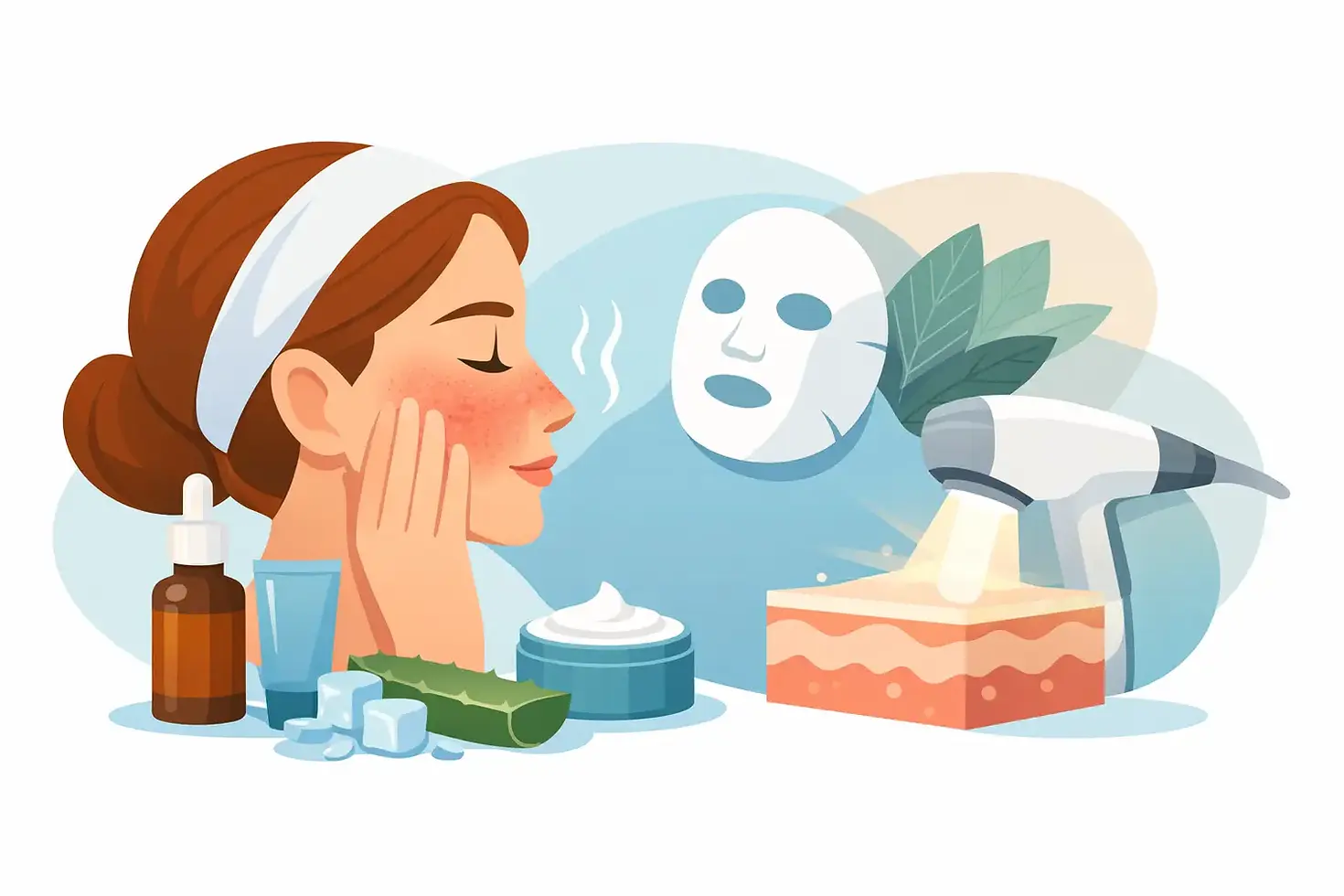
Top Treatments for Rosacea That Calm Redness

Persistent facial flushing can make even a simple skincare routine feel like a risk. The top treatments for rosacea are not about aggressively stripping, exfoliating, or covering up reactive skin. They focus on reducing inflammation, minimizing visible redness and vessels, protecting the skin barrier, and creating a plan that respects your specific triggers.
Rosacea is a chronic inflammatory skin condition, and it can look different from one person to the next. Some people experience frequent flushing and diffuse redness across the cheeks and nose. Others notice acne-like bumps, broken capillaries, stinging, or a rough, sensitive texture. The most successful results usually come from pairing medical guidance with carefully selected in-clinic treatments and consistent at-home care.
Why Rosacea Needs a Customized Treatment Plan
A treatment that improves one person’s rosacea may irritate another person’s skin. Your rosacea subtype, skin tone, current sensitivity, medications, and known triggers all influence which options make sense. Heat, sun exposure, alcohol, spicy foods, stress, intense exercise, fragranced products, and harsh active ingredients can all contribute to flares, but the trigger pattern is highly individual.
Before pursuing cosmetic treatment, active symptoms should be assessed by a qualified medical professional. New redness, eye irritation, painful bumps, or a sudden worsening of symptoms deserves proper evaluation. Rosacea can overlap with acne, eczema, contact dermatitis, or sun damage, so an accurate diagnosis protects both your skin and your investment.
A thoughtful plan usually works in phases. First, calm inflammation and support the skin barrier. Next, address lingering redness or visible vessels with appropriate technology. Finally, maintain results through sun protection, gentle skincare, and periodic professional care when needed.
Top Treatments for Rosacea: Medical and In-Clinic Options
Prescription topical treatments
For inflammatory rosacea with red bumps or pustules, prescription topical medications are often the foundation of care. Depending on your symptoms, a physician may recommend ingredients such as azelaic acid, metronidazole, ivermectin, or a topical antibiotic. These options can reduce inflammation and help improve the acne-like breakouts that are often mistaken for adult acne.
For persistent facial redness, certain prescription vasoconstrictor creams or gels may temporarily reduce visible flushing by narrowing surface blood vessels. They can be helpful for a specific event or as part of a daily plan, but they are not the right fit for everyone. Some clients are sensitive to these formulas or experience rebound redness, which is why physician guidance matters.
Oral medications for more active inflammation
When bumps, pustules, or inflammation are more pronounced, a physician may prescribe an oral medication. Low-dose oral antibiotics are sometimes used for their anti-inflammatory benefit rather than as a long-term acne solution. In select cases, other oral therapies may be considered.
These medications can be highly effective, but they are not a replacement for a long-term skincare strategy. They require a discussion of your health history, other medications, pregnancy status when relevant, and potential side effects. Once inflammation is under control, many people can transition to maintenance-focused topical and professional treatments.
IPL photofacials for diffuse redness
Intense pulsed light, often called IPL, is a popular option for rosacea-related redness and visible facial vessels. IPL uses broad-spectrum light to target pigment and blood vessels beneath the skin’s surface. Over a series of treatments, it can help reduce diffuse redness, flushing, and the appearance of small broken capillaries while supporting a more even-looking complexion.
IPL is not a one-size-fits-all procedure. Settings must be selected carefully based on skin tone, sensitivity, degree of redness, and recent sun exposure. It is best performed when rosacea is reasonably stable rather than during a significant flare. Most clients need a series of sessions, followed by maintenance as needed, because rosacea is ongoing and new vessels can develop over time.
Vascular laser treatments for visible vessels
When individual broken capillaries are the main concern, a vascular laser may offer more targeted results than IPL. These devices are designed to focus on hemoglobin in visible blood vessels, helping diminish small red or purple vessels around the nose, cheeks, and chin.
Laser treatment can be especially valuable for persistent vessels that do not improve with topical products. Temporary warmth, redness, or mild swelling after treatment is common, and diligent sun protection is essential during healing. The best device and treatment settings depend on the vessel type and your skin’s response, so an experienced provider should always assess the area first.
Gentle barrier-supporting facials
A professional facial can be beneficial for rosacea when it is designed specifically for sensitive, reactive skin. The goal is not aggressive extraction or deep exfoliation. Instead, the focus should be hydration, calming ingredients, barrier support, and a controlled, low-irritation experience.
Look for providers who avoid unnecessary heat, abrasive scrubs, strong fragrance, and harsh acids when your skin is flaring. A properly customized facial can leave skin more comfortable and hydrated, but it should complement medical management rather than replace it.
Treatments to Approach Carefully
Rosacea-prone skin does not automatically rule out every advanced aesthetic treatment, but timing and technique matter. Strong chemical peels, abrasive resurfacing, aggressive exfoliation, and heat-based treatments may worsen sensitivity if performed too intensely or during an active flare.
Radiofrequency microneedling, for example, is generally designed to address texture, acne scarring, and skin laxity rather than active rosacea. It may be considered for a separate concern only after redness and inflammation are well managed, with an individualized assessment of risk. The same principle applies to chemical peels. A gentle, professionally selected peel may suit some clients, while a stronger peel can compromise an already fragile barrier.
At-home devices deserve similar caution. Red light therapy may be soothing for some people, but home devices vary widely in quality and are not a substitute for diagnosis or clinical treatment. At-home exfoliating tools, high-percentage acids, retinoids, and essential-oil-based products are common sources of irritation. Introduce only one new product at a time and stop if burning, itching, or lasting redness develops.
The Daily Habits That Protect Treatment Results
Professional treatments can reduce visible redness, but daily choices often determine how long those improvements last. A simple routine is usually more effective than a crowded cabinet of active ingredients.
Use a mild, fragrance-free cleanser with lukewarm water, then apply a moisturizer that supports the skin barrier. Ceramides, glycerin, hyaluronic acid, and soothing formulas are often well tolerated, though every skin reacts differently. Finish every morning with a broad-spectrum mineral sunscreen. Zinc oxide and titanium dioxide formulas are often easier for reactive skin, and tinted options can help visually neutralize redness while protecting against ultraviolet and visible light.
Keep a short flare journal for several weeks. Note when flushing appears, what you ate or drank, weather conditions, exercise intensity, stress levels, and any products used that day. You do not need to avoid every possible trigger forever. The goal is to identify your personal patterns and make practical adjustments that let you enjoy your routine without repeatedly provoking your skin.
What Results Can You Expect?
Rosacea treatment is usually about control, not a permanent cure. Topical or oral therapies may improve bumps and inflammation over several weeks. IPL and vascular laser treatments can create a meaningful reduction in diffuse redness and visible vessels, but results often build gradually through a series of appointments.
Maintenance is normal, not a sign that treatment failed. Rosacea changes with seasons, hormones, stress, sun exposure, and lifestyle. Many clients find that a consistent home routine, sunscreen, and occasional professional treatments help keep flare-ups less frequent and less noticeable.
If redness is affecting your confidence or your skin feels unpredictable, start with a consultation rather than guessing. At Vidanta Laser Spa, a personalized assessment can help determine whether IPL, vascular-focused treatment, sensitive-skin care, or physician-led support best aligns with your skin goals. The right plan should make your skin feel calmer, not challenged.


Comments